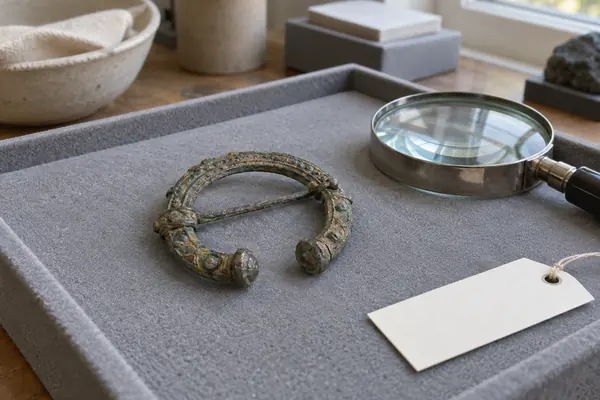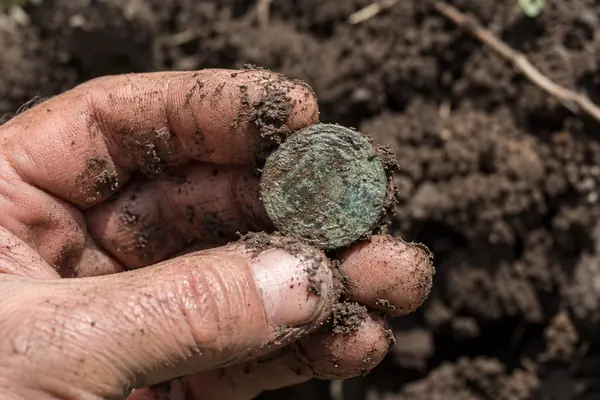
TREASURE
Old, and precious metal
In England and Wales, a metal object over 300 years old with at least 10% gold or silver by weight is Treasure. You must tell the coroner within 14 days.
Check a find doodlefind
Start
WHAT THE LAW AND MUSEUMS SAY
Every find tells a story, if you record where it came from.
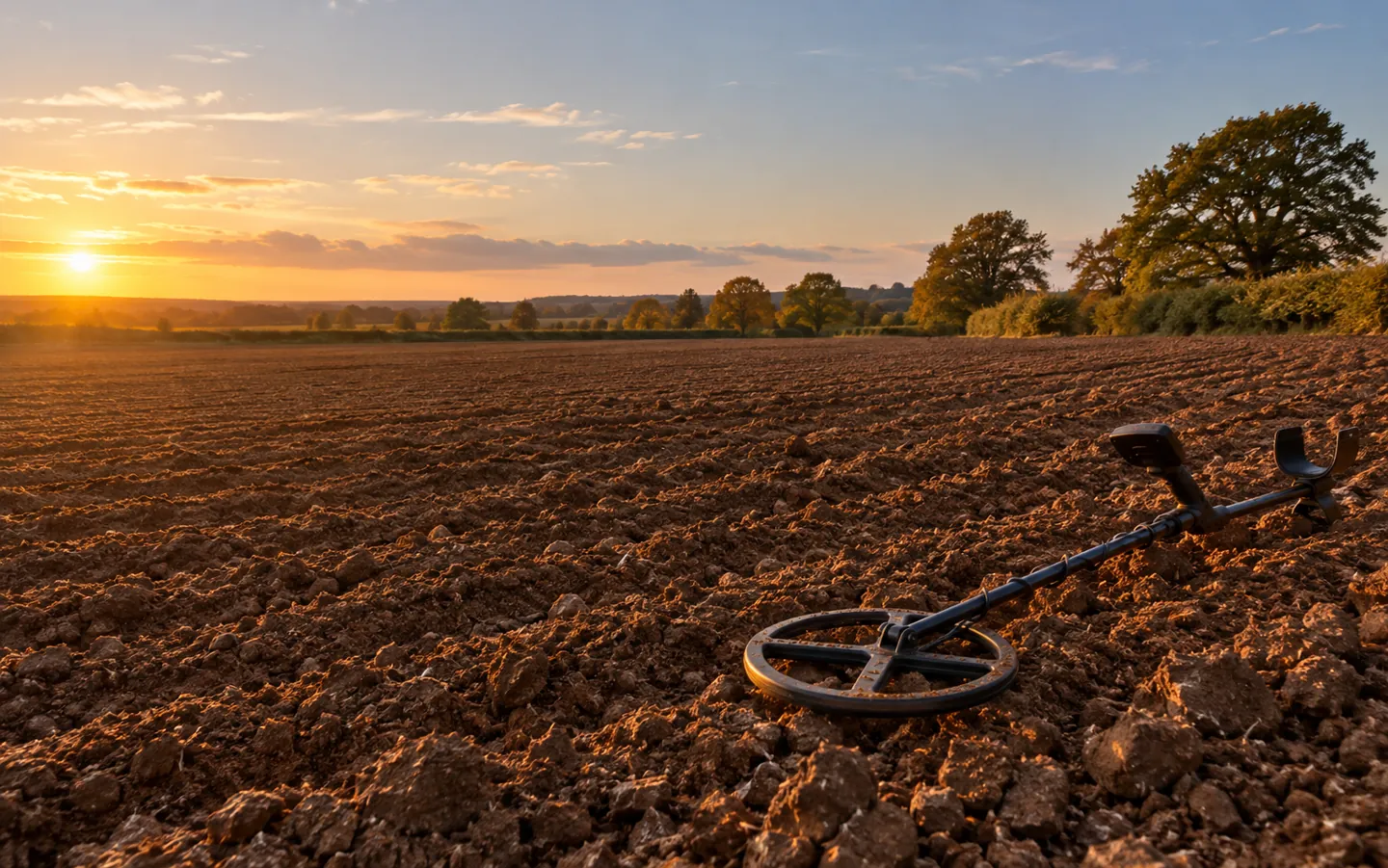
Most old objects found in fields and gardens are not Treasure, but some are, and the law sets clear duties. Even ordinary finds help archaeologists when you note exactly where you found them.
14 DAYSto tell the coroner
Check a findKeep in mind
THE SHORT ANSWER
Treasure has a legal definition.
Everything else is still worth recording.
TREASURE
In England and Wales, a metal object over 300 years old with at least 10% gold or silver by weight is Treasure. You must tell the coroner within 14 days.
Check a findRECORDING
Finds that are not Treasure can be recorded voluntarily with the Portable Antiquities Scheme, whose local Finds Liaison Officers identify and log them.
See the numbersPERMISSION
Always get the landowner's permission before using a metal detector, and agree in advance how any finds will be handled. Scheduled monuments are off limits.
Before you goGeneral information only, not legal advice. For advice on your own situation, speak to a qualified lawyer or a free advice service.
A QUICK FIND CHECK
Pick a find. The value says what the law in England and Wales (or Scotland) expects; the bar shows how strong the duty to report is.
A simplified guide to the Treasure Act 1996 categories as set out by council archaeology and coroner services. If in doubt, ask your local Finds Liaison Officer.
TWO NUMBERS WORTH KNOWING
One figure from the law,
one from what finders have shared.
14 days
Time to report possible Treasure
In England and Wales you must report Treasure to the coroner within 14 days of finding it, or of realising it might be Treasure. Failing to do so is a criminal offence.
TREASURE ACT 1996 · CORONER
1.5 million
Public finds on the national database
The British Museum's Portable Antiquities Scheme, set up in 1997, reached 1.5 million object records in 2020. Every one was found by a member of the public, most by metal detectorists.
PORTABLE ANTIQUITIES SCHEME · 2020
The recorded finds range from prehistoric worked flint about 700,000 years old to 20th-century military badges. The largest coin hoard on the database, the Frome Hoard, held 52,500 coins.
FOUR STEPS FOR FINDERS
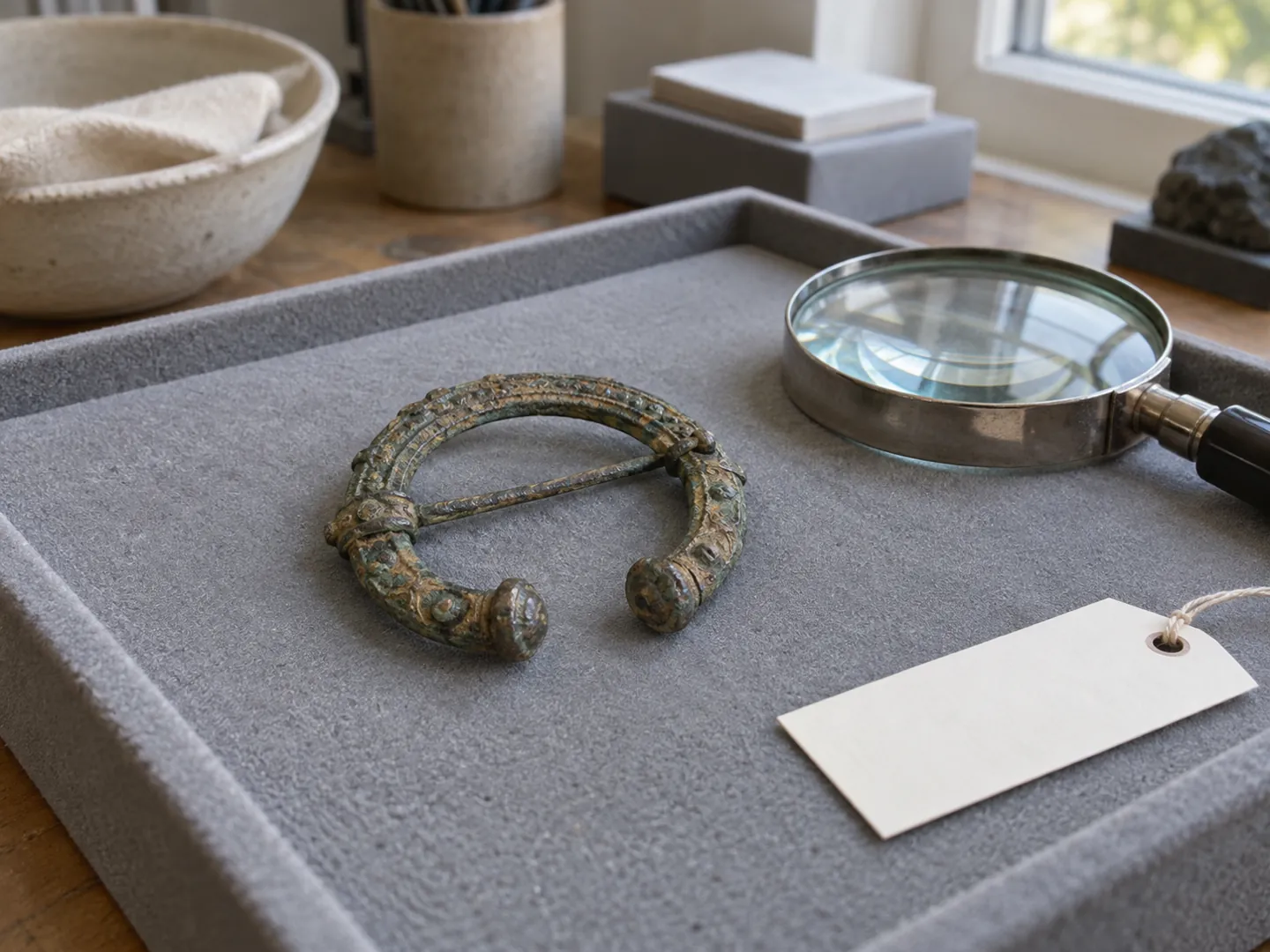
Whether you use a detector or just turn up something in the garden, these steps keep you within the law and help archaeology.
Step 1
Ask the landowner before you search and agree how finds will be dealt with. Council common land may have bye-laws.
Step 2
Using a metal detector on a scheduled monument, or in an area of archaeological importance, is an offence.
Step 3
Record the date and the findspot, with a map reference if you can. The coroner and finds teams will ask for both, and the landowner's name.
Step 4
If something needs excavating, such as a hoard or a buried pot, leave it in place and contact your local finds team for advice.
WHAT HAPPENS NEXT
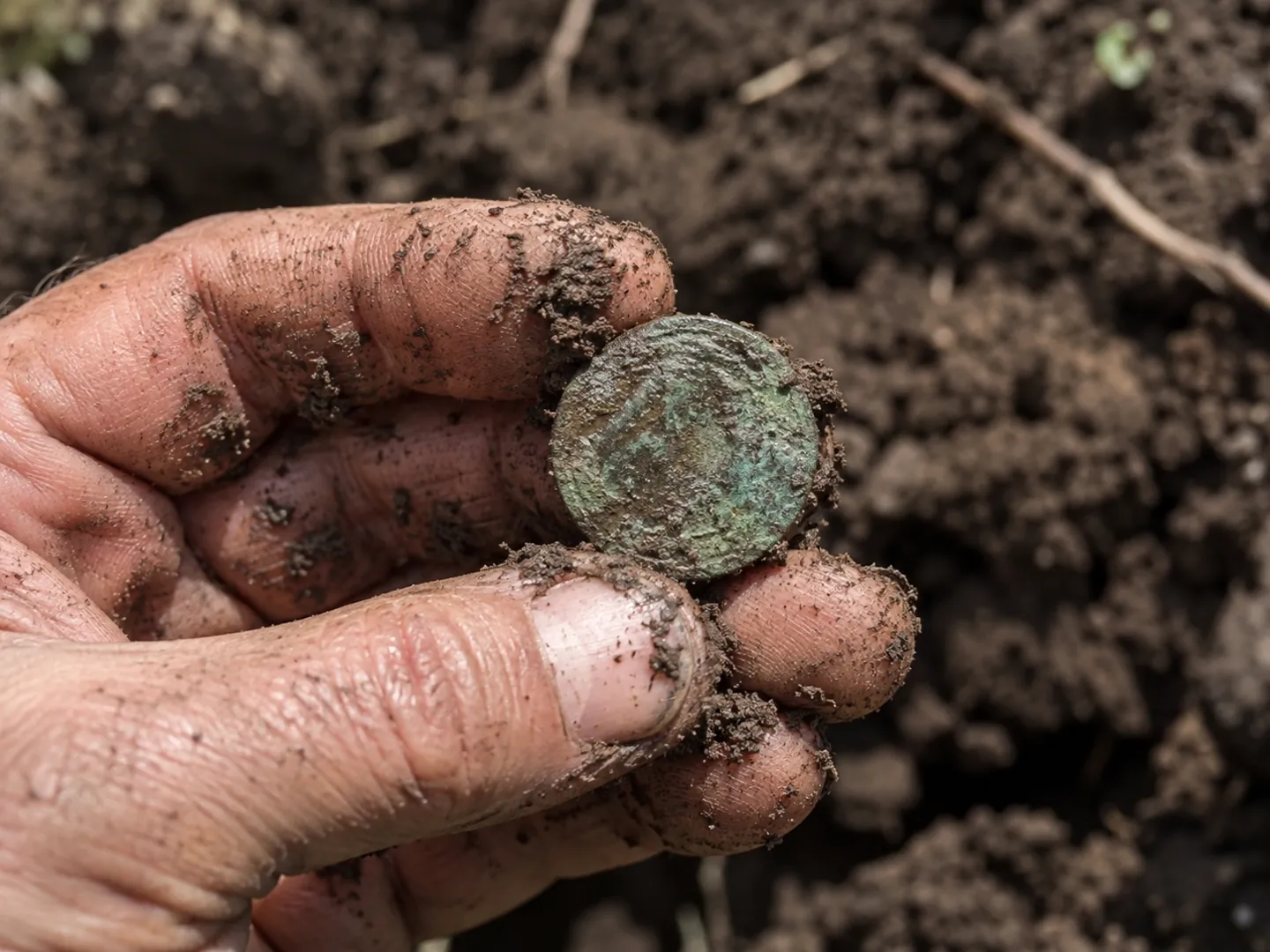
If a find is declared Treasure it may be claimed by the Crown so a museum can acquire it, and the Treasure Valuation Committee values it. In Scotland, Treasure Trove finds that museums do not need are returned to the finder.
In 2023 a new significance-based class was added for exceptional metal objects over 200 years old that fail the older tests, so that very unusual, nationally significant base-metal pieces can be acquired by UK museums.
Questions
Mainly metal objects over 300 years old with at least 10% gold or silver, groups of old coins from the same find, groups of prehistoric metal objects, and anything found with Treasure. A newer class covers exceptional metal finds over 200 years old.
14 days from the find, or from the day you realised it might be Treasure. Report it to the coroner, or ask your local Finds Liaison Officer or museum to help.
No. In Scotland ownerless found objects belong to the Crown, and nearly all finds must be reported to Treasure Trove within one month, whether or not they are precious metal.
Record them voluntarily with the Portable Antiquities Scheme. Its Finds Liaison Officers are archaeologists who identify and record finds; the information is freely available for research.
Stop, do not touch them, and contact the police. Further disturbance must wait until the authorities give permission. Old burials are then assessed by archaeologists.
Destination
Updated
ABOUT THIS NAME
doodlefind.com is part of the DoodleSale portfolio. It isn't in an auction right now, but you can ask about leasing it.